
What Drives Construction Costs: A Home-Building Budget Breakdown
Construction costs, plainly
Knowing what drives the price of a build matters as much as the design itself. Custom home or major renovation, the budget breaks down the same way underneath, and knowing where the money actually goes helps you make better calls and avoid getting surprised six months in. Material costs, labor availability, and code requirements have all moved in the last few years, and the budget reflects it.
What a project costs comes down to a mix of things: global supply chains, local permitting, the site itself. Understanding those pieces lets you work with your contractor as a partner instead of a stranger, put your budget where it actually matters, and keep your expectations realistic through the whole build.
Breaking down the major cost categories
Land and site preparation typically runs 10 to 20 percent of the total budget. Beyond the price of the lot itself, this covers clearing, grading, soil testing, utility hookups, and the driveway. A sloped site, poor soil, or hard access adds real money here.
Foundation and structural systems run 10 to 15 percent. The foundation sets the cost floor: soil conditions, frost depth, and whether you’re building on a slab, a crawl space, or a full basement all move the number. Framing, whether wood, steel, or concrete, is its own major line item on top of that.
The exterior shell, roofing, siding, windows, and doors, runs 15 to 20 percent. It’s what protects everything else you’re paying for, so it’s worth spending well here. Better windows and more durable siding cost more up front and less over time, through lower maintenance and lower energy bills.
Major systems, plumbing, electrical, and HVAC, run 15 to 20 percent. Cost here depends on how complex the systems are, how efficient the equipment is, and what the local code requires. Smart-home wiring and high-efficiency equipment raise the upfront number but often pay back over years of use.
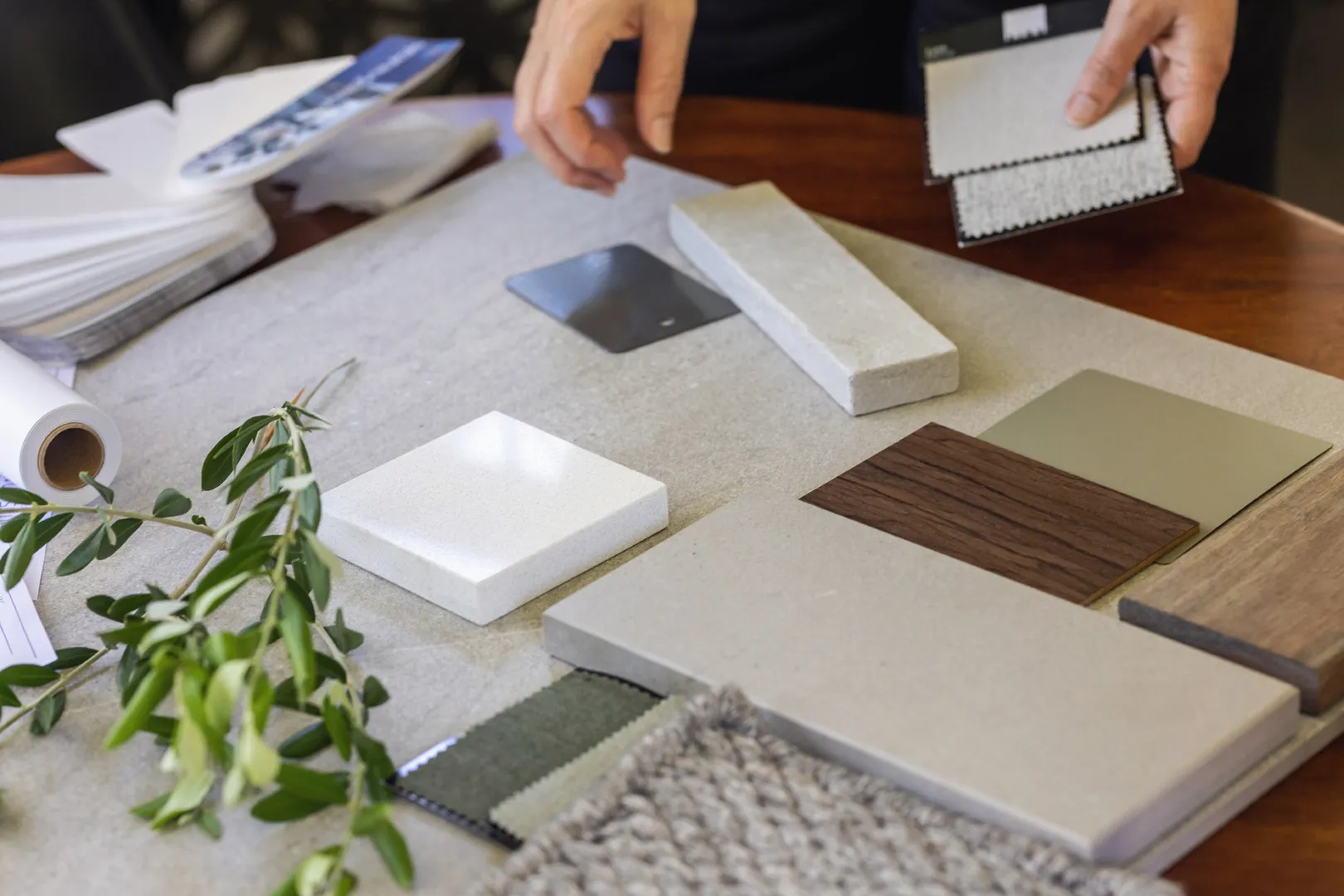
Interior finishes run 25 to 30 percent, and this is the category that surprises people most. Flooring, cabinetry, countertops, fixtures, paint, and trim can range from builder-grade to well beyond, and these choices shape both the final number and how much you actually enjoy living there.
Labor runs 40 to 60 percent of total construction costs, more than any other single category. Skilled trades are in short supply right now, and their work is what makes a house sound. Labor pricing shifts by region, by season, and by how complicated your project is.
What’s moving costs right now
Material prices have swung hard in the last few years. Lumber has been especially volatile, driven by supply disruptions, trade policy, and shifting demand; steel and concrete have moved too, though not by nearly as much.
Supply chains are still catching up in places. Appliances and windows that used to ship in weeks can now take months, which can push your schedule and your budget at the same time. Planning ahead, and having a backup option for anything on a long lead time, helps absorb the hit.
Skilled labor is genuinely short across the industry, which pushes labor costs up and can stretch a schedule. A contractor with strong subcontractor relationships handles this better than one without, but the underlying shortage isn’t going away soon.
Building codes keep evolving, especially around energy performance and seismic resilience, which matters directly here: this is earthquake country, and codes reflect that. Better codes mean a safer, better-performing house, and they also mean a higher number on the estimate. Knowing your local requirements early keeps that number from becoming a surprise.
Interest rates move the total cost of a construction loan more than people expect, especially on a longer project. A small rate change compounds over a multi-month build. Get current numbers, and a realistic projection, before you lock in a budget.
Costs that don’t make the first draft of the budget
Permits, impact fees, and inspections can add thousands, and the number varies a lot by jurisdiction. Some places charge impact fees for schools, roads, and utilities that can run past $20,000 on their own.
If you’re building new or renovating heavily, budget for temporary housing, storage, and possibly paying two utility bills at once. Over a multi-month project, that adds up faster than most people expect.
Site grading is often part of the base budget, but full landscaping, irrigation, fencing, and any outdoor living space usually aren’t. Those finish the property, and they can easily add 10 to 15 percent on top of the construction budget.
Connecting to municipal utilities, or putting in a septic system and well, is a real cost that gets underestimated early on. An electrical service upgrade, if the existing service can’t carry modern loads, may be needed too.
Change orders happen on almost every project, whether from something found once the walls are open, a code requirement, or a change of mind partway through. Budgeting 10 to 15 percent as a contingency keeps a change order from derailing the whole project.
Why costs vary by region
Labor markets move costs the most. Areas with strong demand and a tight labor pool cost more; cities generally run higher than rural areas, though a rural project can pick up extra cost in material delivery and travel time for the crew.
Climate shapes the build too. Colder regions need deeper foundations, heavier insulation, and weather-resistant materials. Coastal areas build for wind and storm; here in Whatcom County, seismic requirements shape the structure as much as anything else does. Each of these adds real cost.
Local rules matter as much as climate. Permit fees, inspection requirements, and design review boards vary by jurisdiction, and any of them can add time and cost to a project.
And distance from suppliers counts. A site far from a lumber mill, a quarry, or a manufacturing plant pays more to get materials there, and that shows up in the final number.
Managing the number as you go
Planning before the first shovel goes in the ground is the single most effective way to control cost. Complete drawings, specified materials, and a clear scope keep expensive changes from showing up mid-build.
Value engineering, working with your contractor to find savings without cutting quality, might mean a different material, a tweaked design, or a different construction method that gets you to the same result for less.
If the budget’s tight, consider phasing the project: build the essential structure now, and add the finished basement, the deck, or the landscaping later, as the budget allows.
A contractor with strong supplier relationships can sometimes get better pricing through bulk purchasing or good timing. It’s worth asking about directly during planning.
Energy-efficient choices cost more upfront but pay back over time. Run the numbers, insulation, an efficient HVAC system, solar, so you know the real payback period before deciding.
What’s actually worth the money
Not every dollar spent returns the same value. Kitchen and bathroom quality, energy efficiency, structural integrity, and curb appeal tend to pay back the most, because they affect both daily life and resale value.
A pool, elaborate landscaping, or a highly customized space might not return its full cost at resale, but it can be worth it for what it adds to how you actually live there. Weigh it against how long you plan to stay, then look at the resale math.
Durable, low-maintenance materials usually win over time. The lifecycle cost is what actually separates two similar materials, more than the number on the first estimate.
Working with your contractor on the number
Be upfront about your budget and your priorities from day one. An experienced contractor can tell you where there’s real flexibility and where cutting corners would actually hurt the finished house.
Your contract should spell out exactly what’s included and excluded. Allowances for anything not yet selected should be realistic, and the change order process should be written down clearly, not handled on a handshake.
Ask for regular budget updates as the work progresses. Catching a number drifting early gives you time to correct it; catching it at the end doesn’t.
Keep your own records too: every decision, every change, every conversation. If a question comes up later about cost or scope, that record is what settles it.
Where the number actually lands
The pricing looks complicated because it is. Broken into categories, with a real number attached to each one instead of a single lump sum, it stops being a mystery.
The lowest bid isn’t usually the best value. A contractor who costs more up front but builds it right the first time tends to cost less over the life of the house. Ask for the number broken down by category before you sign anything, and ask directly what happens to that number if something behind the walls turns out different from what everyone expected.